-
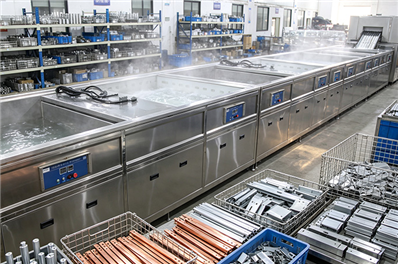 How to Select an Ultrasonic Cleaning Machine for Engine Cylinder Blocks
In heavy-duty equipment repair and engine remanufacturing, the cleaning of cylinder blocks is a critical and demanding task. These large, complex cast-iron or steel components contain intricate networks of oil galleries, water jackets, blind holes, and pr
-
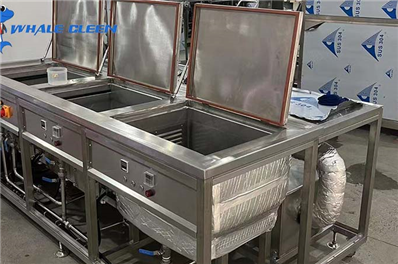 Plating Pretreatment: Degreasing & Oxide Removal Failures That Cause Rework
Conclusion: the rework cost lands after the plating tank, so stop it at the lineThe cost of failed pretreatment is not paid at the pretreatment station but at stripping and re-plating: oil or oxide residue survives all the way into the deposit and only th
-
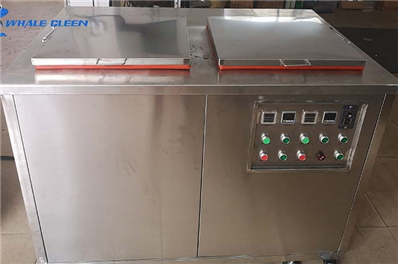 Stubborn Oil in Blind Holes & Microholes? Try Ultrasonic Cleaners for Degreasing and Descaling Before Electroplating
Conclusion: Blind-hole oil is hard to remove mostly because liquid cannot enter and residue cannot drain out, not because the oil itself is difficult to stripFor blind hole cleaning, degreasing and oxide removal should be separated into two sequential sta
-
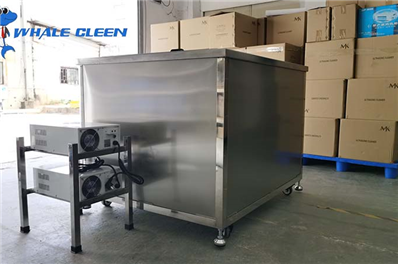 Precision Parts Cleaning: Why Ultrasonic Cleaning Is Increasingly Preferred for Cutting Fluid Residue Removal
Conclusion: Cutting fluid residue is trapped in locations that cannot be reached by flowing liquid Cutting fluid residue essentially stays in cavities where free-flowing liquid cannot refresh. Ultrasonic cleaning delivers cavitation into blind holes an
-
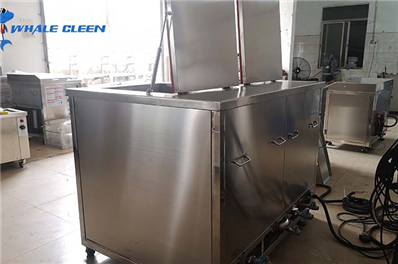 How Does an Ultrasonic Cleaning Machine Remove Aviation Lubricant, Carbon Black and Coolant Residue in One Pass?
Conclusion: One loading is achievable, but one tank is notThe three contaminants have opposing chemical properties, and no single chemistry removes all of them. To finish in one loading, the line must be staged: solvent or emulsifying stage for oil, water
-
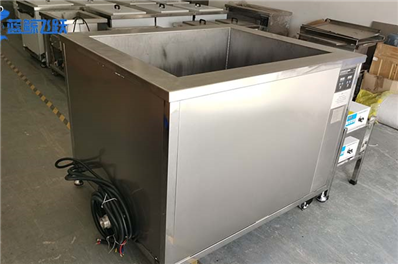 Industrial Ultrasonic Cleaning Machine: Reliable Precision Cleaning Solution from Whale Cleen
Facing stubborn machining coolant residue and precision part damage from traditional washing? Many manufacturers still rely on manual scrubbing or high-pressure spray to remove cutting oil, coolant residue and fine metal chips. These old methods struggle
-
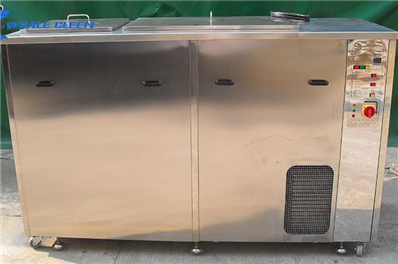 Ultrasonic Cleaning Machine for Thin Blades: How Precision Cavitation Cleans Without Deformation
Thin blades—turbine foils, compressor vanes, surgical cutting edges, semiconductor lead frames—share a common cleaning dilemma. Contaminants cling to surfaces that cannot tolerate brushing, scraping, or high-pressure spray. A blade thin enough to flex bet
-
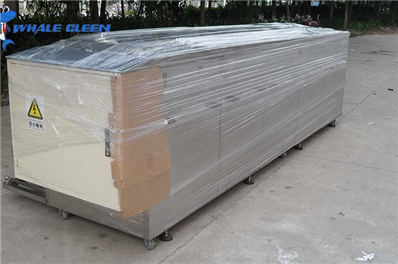 Sensor Metal Housing Cleaning: Ultrasonic vs. Spray—Where the Difference Actually Lives
A sensor housing comes off the machining line with cutting oil, metal fines, and oxidized particles packed into thread roots, blind-hole bottoms, and mating seams. It goes through a spray washer, comes out looking clean, and passes a visual check. Weeks l
-
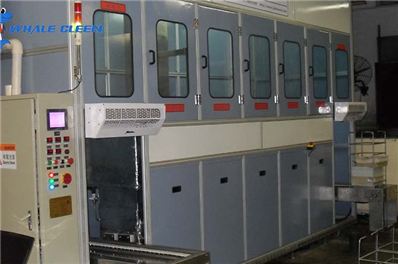 Ultrasonic Cleaning Machine: Solving the Micro-Hole Contamination Challenge in Sensor Housings
In automotive, aerospace, industrial automation, and electronics manufacturing, sensor housings are everywhere. These components often feature micro-holes, blind holes, internal channels, and threaded ports. During machining, stamping, molding, or assembl
-
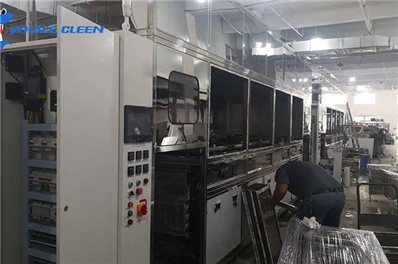 Ultrasonic Cleaning Machine: How to Remove Thick Oxide Scale Without Acid Pickling
Thick oxide scale is one of the most stubborn contaminants in industrial parts cleaning. It forms on steel, castings, forgings, and welded components after heat treatment, hot rolling, or high-temperature processing. In many plants, the default solution i
-
 Stuck with Grinding Dust Embedded in Batch Workpiece Crevices? Manual Cleaning Is Draining Your Labor Budget and Driving Production Costs Through the Roof
Walk into any metalworking shop, stamping plant, or machining facility, and you will see the same scene repeated shift after shift: workers hunched over parts bins, scrubbing with brushes, picking at crevices with picks, blowing compressed air into blind
-
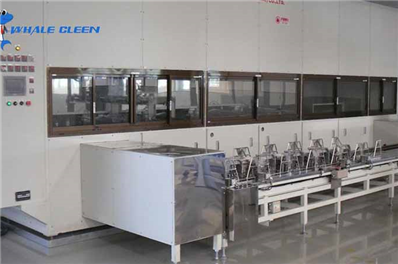 Same Ultrasonic Cleaning, Why Are Some Aerospace Fastener Yield Rates So Much Higher?
In aerospace manufacturing, few quality metrics are as unforgiving as fastener cleanliness. A single micro-fastener — a titanium alloy bolt, a high-strength steel screw, a threaded insert — can carry cutting fluids, lapping compounds, or microscopic metal